
FDNY Contract PDF: A Comprehensive Overview (as of 04/15/2026)
As of today, 04/15/2026, several FDNY unions await finalized contracts, including EMTs, paramedics, and fire inspectors;
negotiations continue, with tentative agreements reached for wage increases.
Collective bargaining within the Fire Department of New York City (FDNY) is a complex process involving numerous unions representing a diverse workforce. These negotiations determine crucial aspects of employment, including wages, benefits, and working conditions for firefighters, EMTs, paramedics, and other essential personnel. The process is fundamentally about establishing a fair and equitable framework for those who dedicate themselves to protecting New York City.
Currently, several unions are navigating contract negotiations, with some reaching tentative agreements regarding wage increases. As of April 15, 2026, outstanding contracts involve FDNY EMTs, paramedics, fire protection inspectors, EMS officers, and chiefs. The Office of Collective Bargaining (OCB) plays a pivotal role in facilitating these discussions and resolving disputes. Understanding this system is vital for both FDNY employees and the public, ensuring transparency and accountability in the representation of these critical city workers.
Current Contract Status & Negotiations
As of April 15, 2026, the FDNY is actively engaged in contract negotiations with several unions representing its workforce. While the Uniformed Firefighters Association has reached a tentative agreement for wage increases impacting approximately 8,500 employees, other unions remain in negotiation phases. Specifically, contracts for FDNY EMTs, paramedics, fire protection inspectors, EMS officers, and chiefs are currently outstanding.
The Office of Labor Relations (OLR) Commissioner Renee Campion indicated that no further bargaining sessions are scheduled for the remaining unions before the year’s end. However, she expressed confidence in eventually reaching agreements with all parties. A tentative agreement has been announced for EMTs, Paramedics and Fire Inspectors, promising wage increases. These ongoing negotiations highlight the importance of collective bargaining in securing fair terms for FDNY personnel.
Key Unions Involved in FDNY Contracts
Several unions play a crucial role in representing FDNY employees during collective bargaining processes. The Uniformed Firefighters Association (UFA) recently achieved a tentative agreement, impacting roughly 8,500 firefighters; Representing EMS personnel, the FDNY EMS Officers Union (Local 335) actively participates in negotiations to secure favorable contract terms for its members.
Furthermore, Emergency Medical Technicians & Paramedics (Local 2507) have also reached a tentative agreement focused on wage increases. These three unions are central to the FDNY’s labor relations landscape. Other groups, including sanitation enforcement agents, deputy sheriffs, and fire protection inspectors, also have outstanding contracts requiring negotiation. The collective efforts of these unions aim to advocate for improved working conditions and compensation for all FDNY personnel.
Uniformed Firefighters Association (UFA)
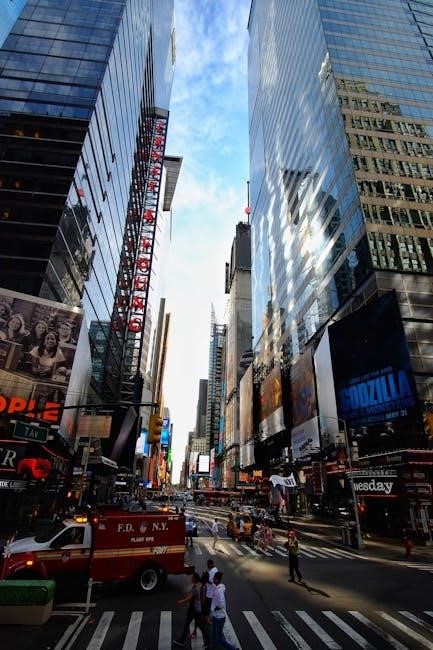
The Uniformed Firefighters Association (UFA) is a pivotal force in advocating for New York City’s firefighters. Representing approximately 8,500 members, the UFA recently secured a tentative agreement with city officials, signaling progress in contract negotiations. This agreement promises wage increases for firefighters, reflecting the UFA’s commitment to fair compensation for its members’ dedication and service.
The UFA’s role extends beyond wage negotiations, encompassing efforts to improve working conditions, safety protocols, and benefits packages. As a key stakeholder in FDNY labor relations, the UFA actively engages in collective bargaining to address the needs and concerns of its members. The finalized contract will significantly impact the livelihoods of countless firefighters and their families throughout New York City.
FDNY EMS Officers Union (Local 335)
FDNY EMS Officers Union, Local 335, represents the dedicated EMS officers who play a critical role in New York City’s emergency medical services. Currently, alongside other unions, Local 335 is awaiting a finalized contract with the city. Negotiations are ongoing, with Commissioner Renee Campion expressing confidence in eventually reaching agreements with all outstanding unions, though no bargaining sessions are scheduled before year-end.
The union advocates for improved working conditions, competitive salaries, and enhanced benefits for its members. Like other FDNY unions, Local 335’s efforts are vital to ensuring the well-being of those who provide essential pre-hospital care. A successful contract outcome will directly impact the ability of EMS officers to effectively serve the city’s residents.
Emergency Medical Technicians & Paramedics (Local 2507)
Local 2507, representing FDNY Emergency Medical Technicians (EMTs) and Paramedics, recently announced a tentative agreement with the City of New York. This agreement focuses on crucial wage increases for these frontline medical personnel, acknowledging their vital contributions to the city’s emergency response system. President Oren Barzilay, alongside the executive board, spearheaded these negotiations, aiming to secure fair compensation for the demanding and essential work performed by EMTs and Paramedics.
The details of the tentative agreement are currently being reviewed, but the announcement signifies a positive step forward. Like other unions, Local 2507’s contract negotiations are part of a broader effort to address compensation and working conditions for all FDNY personnel, ensuring they are adequately supported in their roles.
Wage Increases in Recent Agreements
Recent collective bargaining agreements within the FDNY demonstrate a clear trend towards increased compensation for essential personnel. A tentative agreement reached with the Uniformed Firefighters Association (UFA) promises wage increases for approximately 8,500 FDNY employees. Simultaneously, a separate tentative agreement specifically targets wage increases for FDNY Emergency Medical Technicians (EMTs), Paramedics, and Fire Inspectors, represented by Local 2507.
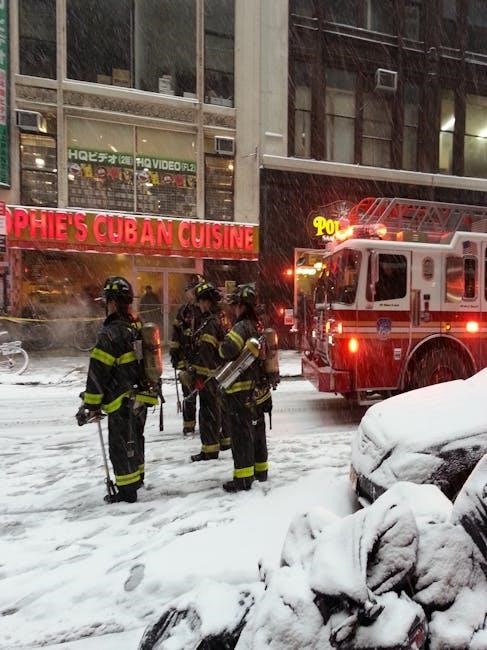
These increases reflect ongoing negotiations and a commitment from the city to recognize the dedication and service of its first responders. While specific percentage details are still emerging, the agreements signal a positive shift in compensation for those working on the front lines. The city anticipates reaching similar agreements with remaining unions, ensuring equitable wage adjustments across all FDNY branches.
Tentative Agreements Reached — Recent Updates
As of April 15, 2026, significant progress has been made in FDNY contract negotiations, resulting in multiple tentative agreements. The Uniformed Firefighters Association (UFA) and city officials have reached a preliminary accord, poised to deliver wage enhancements to roughly 8,500 FDNY personnel. Concurrently, FDNY EMS, under President Oren Barzilay and Local 2507’s leadership, announced a tentative agreement focused on boosting wages for EMTs, Paramedics, and Fire Inspectors.
Despite these advancements, contracts for other vital roles – including EMS officers, chiefs, sanitation enforcement agents, and deputy sheriffs – remain outstanding. Commissioner Renee Campion of the Office of Labor Relations (OLR) expresses confidence in eventual resolution, though no further bargaining sessions are currently scheduled before year-end. These agreements represent crucial steps toward securing fair compensation for FDNY’s dedicated workforce.
Impact on FDNY EMTs, Paramedics & Fire Inspectors
The recently announced tentative agreement, spearheaded by FDNY EMS President Oren Barzilay and Local 2507, directly addresses the compensation of FDNY Emergency Medical Technicians (EMTs), Paramedics, and Fire Inspectors. This proposed contract signifies a potential uplift in wages for these critical frontline personnel, acknowledging their vital role in New York City’s emergency response system.
For EMTs and Paramedics, the increase represents recognition of the demanding nature of their work and the essential services they provide. Fire Inspectors also stand to benefit, ensuring fair compensation for their crucial role in maintaining public safety. While specific details of the wage increases remain pending final ratification, the agreement signals a positive step towards improved financial security and morale within these key FDNY divisions. The impact will be substantial, potentially attracting and retaining qualified professionals.
Collective Bargaining Process in New York City
The collective bargaining process for New York City’s public sector unions, including those representing FDNY personnel, is a structured system governed by state law. It involves negotiations between the city’s Office of Collective Bargaining (OCB) and the respective unions to establish terms and conditions of employment, such as wages, benefits, and working conditions.
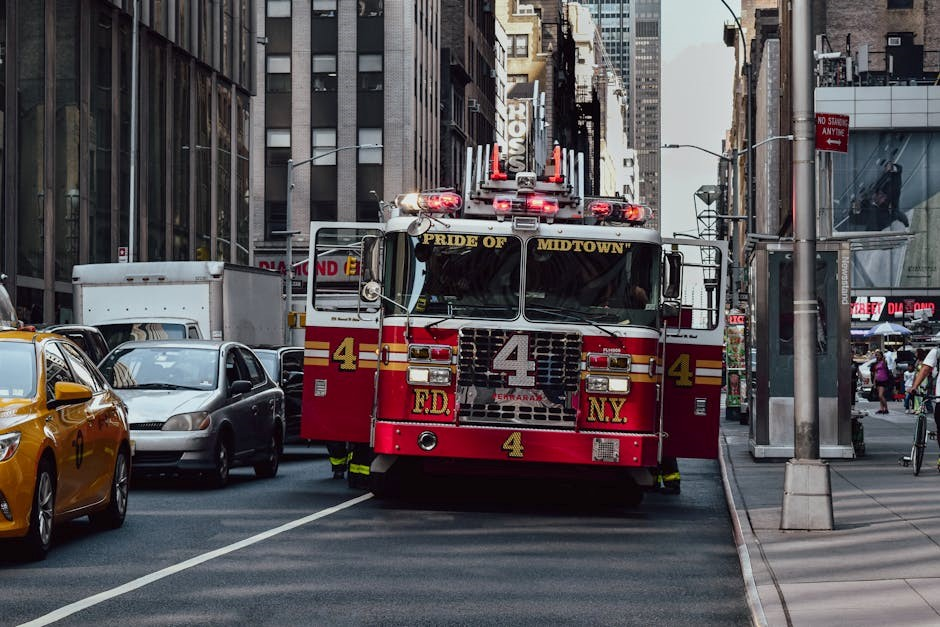
This process isn’t always swift; as of April 15, 2026, several outstanding contracts remain unresolved, including those for FDNY EMTs, paramedics, and fire inspectors. The OCB plays a central role, facilitating discussions and offering mediation services to resolve disputes. When impasses occur, decisions are rendered by either the Board of Collective Bargaining or the Board of Certification, ensuring a fair and legally sound outcome for all parties involved.
The Role of the Office of Collective Bargaining (OCB)
The Office of Collective Bargaining (OCB) serves as the central agency for labor relations within New York City government, including negotiations with FDNY unions. Commissioner Renee Campion leads the OCB, overseeing the process for all outstanding contracts, like those currently affecting EMTs, paramedics, and fire inspectors. While no bargaining sessions are scheduled before year-end (as of April 15, 2026), the OCB remains confident in reaching agreements with all remaining unions.
Beyond negotiation, the OCB actively resolves disputes. It handles improper practice claims and representation disputes, and provides crucial mediation services to navigate complex issues within collective bargaining agreements. Decisions are ultimately made by either the Board of Collective Bargaining or the Board of Certification, ensuring a legally sound resolution for all involved parties.
Improper Practice Claims & Dispute Resolution
The Office of Collective Bargaining (OCB) plays a vital role in addressing improper practice claims arising during FDNY contract negotiations. These claims, filed by unions like the UFA, Local 335, and Local 2507, allege violations of New York City’s collective bargaining law. The OCB investigates these allegations, ensuring fair labor practices are upheld throughout the bargaining process.
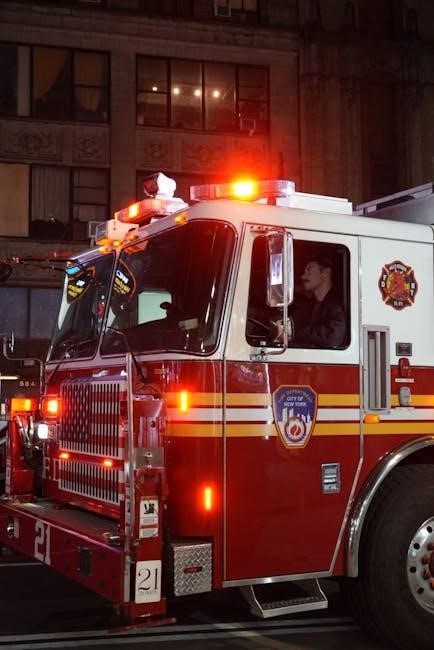
Dispute resolution is a core function, utilizing mediation to bridge gaps between the city and FDNY unions concerning terms of existing or proposed agreements. The OCB facilitates constructive dialogue, aiming to avoid costly and time-consuming litigation. Ultimately, final decisions on these matters rest with either the Board of Collective Bargaining or the Board of Certification, providing an impartial judgment.
Mediation Services Provided by OCB
The Office of Collective Bargaining (OCB) offers comprehensive mediation services crucial for resolving disputes within FDNY contract negotiations. These services are proactively employed to address improper practice claims, representation disagreements, and conflicts surrounding the interpretation of collective bargaining agreements. Experienced mediators facilitate communication between the city and unions – including the UFA, Local 335, and Local 2507 – fostering a collaborative environment.

OCB’s mediation isn’t merely reactive; it’s a preventative measure designed to circumvent formal legal proceedings. By offering a neutral platform for discussion, the OCB aims to achieve mutually acceptable resolutions, saving time and resources for all parties involved. This service is particularly vital given the outstanding contracts for FDNY EMTs, paramedics, and fire inspectors as of 04/15/2026.
Outstanding Contracts & Negotiation Timelines
As of April 15, 2026, several key FDNY collective bargaining agreements remain unresolved, impacting a significant portion of the workforce. These outstanding contracts encompass FDNY EMTs, paramedics, fire protection inspectors, EMS officers, and chiefs. Negotiations are also pending for sanitation enforcement agents, associate agents, and deputy sheriffs, according to the OLR.
Currently, the city reports no scheduled bargaining sessions for these remaining unions before the year’s end. However, OLR Commissioner Renee Campion expresses confidence in eventually reaching agreements with all parties. A tentative agreement has been reached for EMTs, Paramedics and Fire Inspectors, signaling progress. Precise timelines for finalizing these contracts remain uncertain, but the OCB’s mediation services are expected to play a vital role in expediting the process.
Salary Increases for FDNY Employees ౼ Details
Recent agreements indicate substantial wage increases for FDNY personnel. A tentative agreement reached with the city promises increased wages for approximately 8,500 FDNY employees, as announced by Mayor Bill de Blasio’s office. Specifically, a tentative agreement has been secured to boost the earnings of FDNY Emergency Medical Technicians (EMTs), Paramedics, and Fire Inspectors.
While specific percentage details are still emerging, the agreements represent a significant step forward for these essential workers. These increases are comparable to gains seen in other public sector contracts, such as the recent WNBA agreement, which also featured substantial salary improvements for players. Further details regarding the precise financial impact on each rank within the FDNY are anticipated as the contracts are finalized and ratified.

Comparison to Other Public Sector Contracts (WNBA Example)
The FDNY contract negotiations are occurring alongside similar bargaining efforts in other public sector unions, offering valuable points of comparison. Notably, the recent collective bargaining agreement reached by the WNBA and its players’ union provides a compelling parallel. This agreement resulted in substantial salary increases for WNBA athletes, demonstrating a trend towards improved compensation within publicly visible sectors.
Like the FDNY’s tentative agreements for EMTs, paramedics, and firefighters, the WNBA deal signifies a recognition of the value and dedication of these professionals. NPR’s A Martinez discussed the WNBA’s gains with Front Office Sports reporter Annie Costabile, highlighting the positive impact. Both situations reflect a broader movement to fairly compensate public servants and athletes for their contributions and commitment.
Accessing FDNY Contract PDFs
Currently, direct access to finalized FDNY contract PDFs remains somewhat limited as of April 15, 2026. While tentative agreements have been announced – notably for EMTs, paramedics, and fire inspectors – the fully executed documents are not yet widely available to the public. Information regarding these agreements is primarily disseminated through union announcements, such as those made by FDNY EMS President Oren Barzilay and the Local 2507 executive board.
Official sources, including the FDNY website and the New York City Office of Collective Bargaining (OCB), are expected to eventually host the complete contract PDFs. Checking these platforms regularly is advised. News outlets covering the negotiations, like those reporting on the UFA agreement, may also provide links or summaries as the contracts become publicly accessible.
Understanding Collective Bargaining Agreements
Collective Bargaining Agreements (CBAs), like those negotiated for the FDNY, are legally binding contracts outlining terms and conditions of employment. These agreements cover crucial aspects such as wage increases – recently a focal point with tentative deals for EMTs, paramedics, and firefighters – as well as benefits, working conditions, and dispute resolution processes.
Understanding CBAs requires recognizing the roles of involved parties: the FDNY unions (UFA, Local 335, Local 2507) and the City of New York. The OCB plays a vital role in facilitating negotiations and addressing improper practice claims. CBAs aren’t static; they’re subject to interpretation and potential disputes, often resolved through mediation or boards established for collective bargaining. Examining these agreements provides insight into labor relations within the FDNY.
Future Outlook for FDNY Contract Negotiations
Looking ahead, the future of FDNY contract negotiations hinges on reaching agreements with remaining unions – EMTs, paramedics, fire inspectors, EMS officers, and chiefs – despite a current lack of scheduled bargaining sessions before year-end. While the city expresses confidence in eventual resolution, the timeline remains uncertain.
Recent tentative agreements, particularly those concerning wage increases, set a precedent, but further negotiations will likely address broader concerns regarding working conditions and benefits. The WNBA’s recent CBA, with substantial player salary increases, may influence expectations. Successful outcomes depend on continued dialogue, potentially utilizing the OCB’s mediation services, and a commitment to fair resolutions for all FDNY personnel.

Resources for FDNY Contract Information
Accessing current and historical FDNY collective bargaining agreements requires navigating several key resources. The Office of Collective Bargaining (OCB) website serves as a central repository for information regarding contracts, improper practice claims, and dispute resolution processes. Direct links to finalized contract PDFs may be available through the OCB, though accessibility can vary.
Union websites – specifically the Uniformed Firefighters Association (UFA), FDNY EMS Officers Union (Local 335), and Emergency Medical Technicians & Paramedics (Local 2507) – often publish summaries and updates regarding their respective agreements. News outlets covering New York City labor relations, like NPR, and sports business publications like Front Office Sports (regarding CBA comparisons like the WNBA) can also provide valuable context. Regularly checking these sources ensures access to the latest developments.