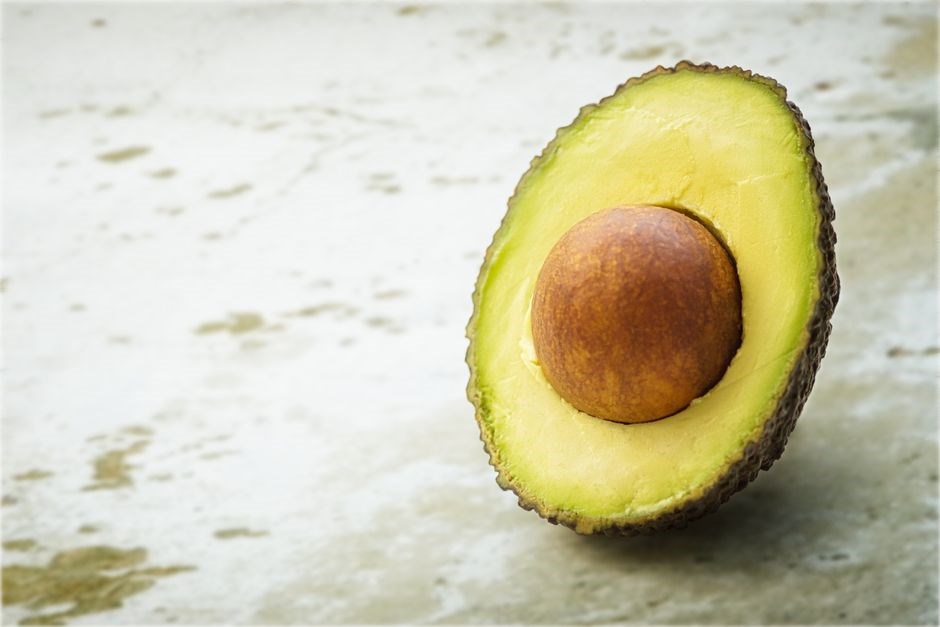
Low-Fat Food List PDF Overview
The Low-Fat Food List PDF is a printable guide that categorizes everyday foods into Eat, Limit, and Avoid. Its clean, easy-to-read layout assists with meal planning, highlighting low-fat options and reminding users to check nutrition labels before buying processed meats.
Download the PDF now!.
Purpose and Target Audience
The Low‑Fat Food List PDF serves as a practical tool for individuals seeking to reduce dietary fat intake while maintaining balanced nutrition. Designed primarily for health‑conscious consumers, weight‑loss seekers, and those managing conditions such as hyperlipidemia or cardiovascular risk, the guide offers a clear, evidence‑based framework for everyday food choices. By sorting foods into Eat, Limit, and Avoid categories, it empowers readers to quickly identify low‑fat staples, moderate‑fat options, and high‑fat items that should be minimized or eliminated. The PDF also emphasizes the importance of reading nutrition labels—especially for processed meats and packaged snacks—highlighting net fat content and saturated versus unsaturated fat distinctions. Users can apply the list to grocery shopping, meal planning, and portion control, making informed decisions that align with dietary guidelines and personal health goals. Whether you are a beginner to low‑fat dieting or an experienced practitioner, this resource provides a concise, accessible reference that supports sustainable lifestyle changes.This concise PDF serves as a quick reference for grocery aisles, meal prep, and dietary counseling, ensuring that every choice aligns with low‑fat principles while still offering variety and satisfaction. By integrating this list into daily habits, users can confidently navigate food labels, reduce saturated fat intake, and support long‑term health goals.Its layout promotes shopping and healthier habits
Key Features and Layout
The Low‑Fat Food List PDF is engineered for clarity, separating Eat, Limit, and Avoid categories with distinct color coding—green for Eat, yellow for Limit, and red for Avoid.
Each food item is listed, accompanied by descriptors such as “low‑fat dairy,” “lean protein,” or “whole‑grain grain.”
The layout includes metrics: fat grams, saturated fat, and percent daily value. Users can scan a product’s label, compare it against the list, and decide whether it fits within their low‑fat plan.
Users can scan a label, compare it against the list, and decide whether it fits within their low‑fat plan. now
The PDF also incorporates a checklist, allowing shoppers to tick off items as they navigate aisles, reducing impulse purchases of high‑fat snacks.
Additionally, the guide offers a “Substitute” column, suggesting lower‑fat—for example, swapping whole‑milk yogurt for non‑fat yogurt or choosing skinless poultry over fattier cuts.
The document’s font size is optimized for readability on both desktop and mobile devices, and the file compressed to under 500 KB, ensuring quick downloads and easy sharing.
By combining visual cues, nutritional data, and shopping tools, the PDF empowers users to make informed, low‑fat choices without sacrificing variety or taste.
Moreover, the PDF includes a QR code linking to an online database where users can track daily fat intake, set personalized goals, and receive weekly tips from dietitians, ensuring accountability and growth now.
Food Categories Explained
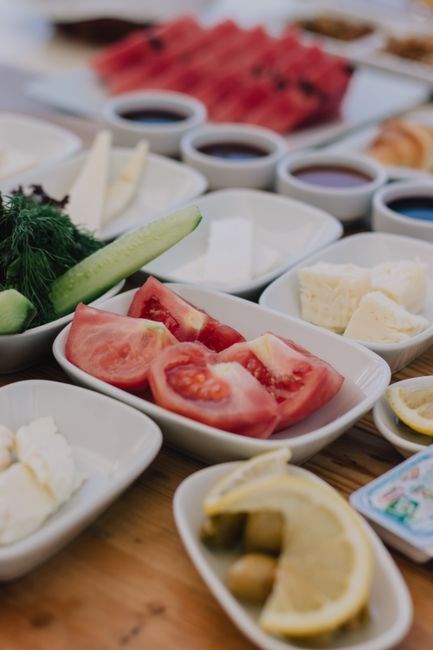
The Low‑Fat Food List PDF groups foods into Eat, Limit, and Avoid. Eat items are low in total and saturated fats, ideal for daily consumption. Limit foods contain moderate fat levels; choose them sparingly. Avoid foods are high in fat, especially saturated and trans fats
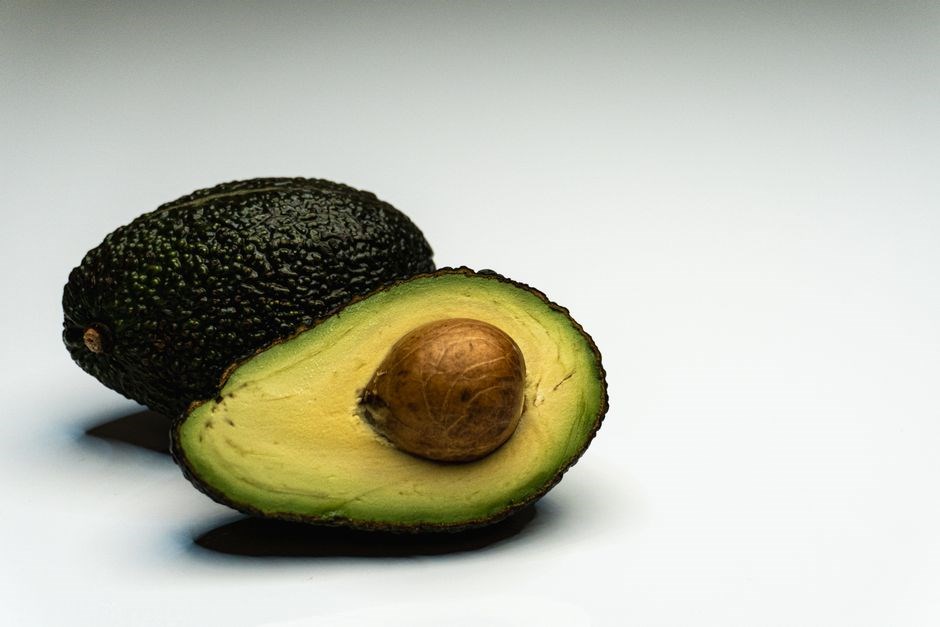
Eat – Low‑Fat Staples
Low‑fat staples are the foundation of a balanced diet. The PDF lists fresh fruits, leafy greens, whole‑grain breads, and lean proteins such as skinless chicken, turkey, fish, and legumes. These foods keep total fat below 5 g per serving while delivering fiber, vitamins, and minerals. Fruits like apples, berries, and citrus are low in fat and high in antioxidants. Leafy greens—spinach, kale, romaine—offer iron, calcium, and folate with negligible fat. Whole‑grain breads and cereals, when labeled “whole grain” or “100 % whole grain,” contain complex carbs and minimal saturated fat. Lean proteins are highlighted for high protein density and low fat: skinless chicken breast, turkey, cod, tilapia, lentils, chickpeas, and black beans. The PDF also recommends low‑fat dairy alternatives—skim milk, low‑fat yogurt, fortified soy milk—to provide calcium and vitamin D while limiting saturated fat. Herbs, spices, and citrus zest add flavor without butter or oil. By choosing these staples, readers can build satisfying meals that stay within the low‑fat framework and promote long‑term health.
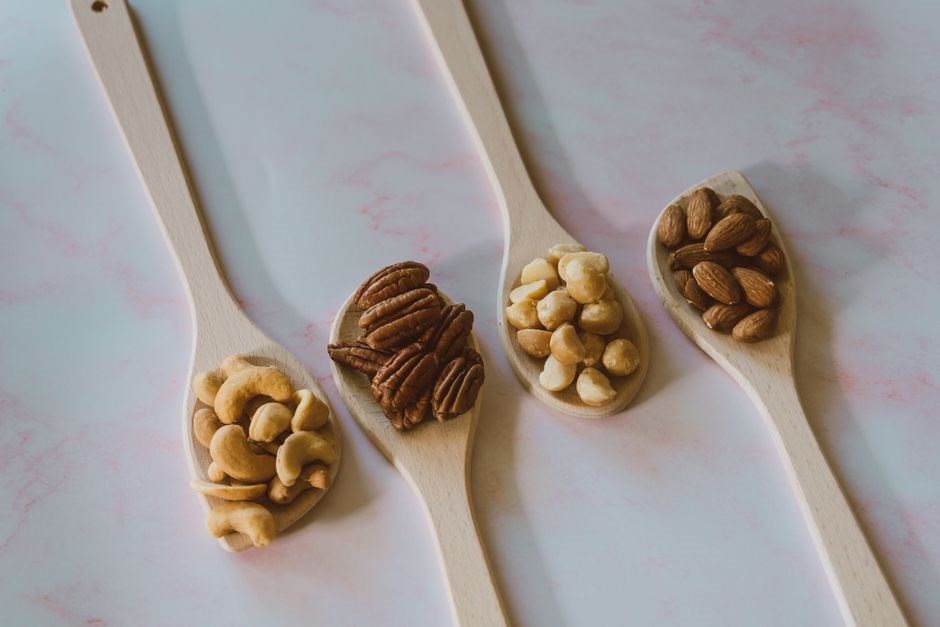
When selecting packaged foods, read the nutrition label for net fat and daily value. Choose products with less than 3 g net fat per serving and saturated fat below 1 g. Avoid trans fats and sodium. Use cooking methods like steaming, grilling, or baking instead of frying. For snacks, pick popcorn, vegetable sticks, or a handful of unsalted nuts. Portion control is low‑fat foods can add calories if eaten in large amounts!
Limit – Moderately Fat Foods
The PDF advises limiting foods that contain moderate amounts of fat, especially saturated and trans fats. Common examples include processed meats such as burgers, sausages, and deli meats, which can range from 0.5 g to 5 g net fat per serving. Cheese, full‑fat dairy, and creamy sauces are also flagged; they often provide 5 g or more of net fat and can quickly exceed daily limits. Fried foods, pastries, and baked goods with butter or palm oil are highlighted as high‑fat items that should be consumed sparingly. The guide recommends checking nutrition labels for net fat per serving and choosing lower‑fat versions when available. For instance, opting for a low‑fat yogurt or a reduced‑fat cheese can cut saturated fat by 30 % or more. When cooking, use non‑stick pans, spray oils, or small amounts of olive or canola oil to keep the fat content moderate. Portion control is key: a single slice of cheese or a small serving of nuts can add significant fat calories. By limiting these foods, readers can maintain a balanced intake while still enjoying flavorful meals. Snacks like potato chips, chocolate bars, and sugary desserts are high in fat and should be replaced with fruit or air‑popped popcorn. Nuts, while healthy, contain calories; a handful (about 15–20 g) is sufficient to satisfy cravings without overloading on fat. When selecting canned or jarred items, opt for versions labeled “low‑fat” or “reduced‑fat” and read the ingredient list for hidden oils. Finally, be mindful of dressings and sauces—many commercial varieties are high in fat; homemade vinaigrette with vinegar and a splash of olive oil can be a healthier alternative… Enjoy! Now
Downloading and Using the PDF
Download the complimentary Low-Fat Food List PDF from the official health site. The file is PDF, 2 MB, and compatible with Windows, macOS, and mobile. Open, print, or save for offline use. Use it to plan meals, check labels, and stay on track with low-fat goals. Print it on a sheet for quick reference now!?
Official Source and Accessibility
Download the Low‑Fat Food List PDF directly from the official National Institute of Health’s portal, ensuring you receive the most up‑to‑date version. The PDF is available without registration and can be accessed on any device—desktop, laptop, tablet, or smartphone—thanks to its responsive design. Once downloaded, the file opens instantly in any standard PDF viewer, and you can print it in full color or black‑and‑white. The guide is organized into three clear sections: a comprehensive list of foods to Eat, a set of items to Limit, and a final list of foods to Avoid. Each entry includes the net fat content per standard serving, allowing you to compare options quickly. For added convenience, the PDF contains a built‑in search function, so you can locate specific foods or nutrients with a single keystroke. If you prefer a physical copy, the printable version is optimized for A4 paper and includes a handy index on the back page. The document is also compatible with screen readers, making it accessible for users with visual impairments. Additionally, the PDF can be saved to cloud storage services such as Google Drive or Dropbox for easy sharing with dietitians or family members. The official source guarantees that the information is evidence‑based, reflecting the latest dietary guidelines issued by the American Heart Association and the Dietary Guidelines for Americans. By using this trusted resource, you can confidently plan meals that align with your low‑fat dietary goals while avoiding the pitfalls of mislabeled or processed foods.

File Compatibility and Size
Interpreting Nutrition Labels
The Low‑Fat Food List PDF explains how to read nutrition labels, focusing on net fat, percent daily value, and distinguishing saturated from unsaturated fats It highlights key terms, shows examples from processed meats, and offers reference tables for decisions.
Net Fat and Percent Daily Value
When revi the net fat figure tells you how many grams of fat remain after subtracting fiber and alcohol. For example, a single sausage may contain 0.8 g net fat, while a standard burger can range from trace amounts (<0.5 g) to 5 g. The percent daily value (%DV) is calculated by dividing the net fat per serving by the 20 g daily limit recommended for a 2,000‑calorie diet, then multiplying by 100. A 5 g net fat serving equals 25 % DV, whereas 0.8 g equates to 4 %. Understanding these metrics helps you compare products quickly and stay within the low‑fat thresholds set by the list. Always read the back of the package for the most accurate numbers, as processed meats can vary widely between brands and flavors. (See Appendix)
Nutritionists note that net fat is a clearer indicator of a food’s heart‑health impact than total fat, because it omits fiber and alcohol that add no calories. Use the %DV to gauge overall fat intakeor avoid excess. Yet, some low‑fat foods may still contain saturated fats from added butter or cream, so checking the ingredient list for trans fats is wise. By weighing both net fat and %DV, you can better match your choices to the Eat, Limit, and Avoid categories of the low‑fat food list and stay mindful now
Identifying Saturated vs. Unsaturated Fats
In the low‑fat food list PDF, saturated fats are highlighted as the primary concern for cardiovascular health. These fats, typically solid at room temperature, are found in butter, lard, and many processed meats. Unsaturated fats, on the other hand, are liquid at room temperature and include monounsaturated fats (olive oil, canola oil) and polyunsaturated fats (omega‑3 and omega‑6 fatty acids found in fish, nuts, and seeds). The PDF’s labeling system uses color coding and icons to distinguish these two types. A red “S” icon signals a high saturated fat content, while a green “U” icon indicates a predominance of unsaturated fats. When scanning a product’s nutrition panel, look for the “Total Fat” line and then the sub‑lines for “Saturated Fat” and “Unsaturated Fat.” A product with less than 1 g of saturated fat per serving is typically classified as low‑fat, whereas any amount above 5 g per serving is flagged for moderation. Additionally, the PDF advises consumers to replace saturated‑fat‑rich items with unsaturated alternatives whenever possible, such as swapping butter for a light olive‑oil spread or choosing grilled chicken over fried cuts. By focusing on the fat type rather than the total amount alone, shoppers can make more informed choices that align with the Eat, Limit, and Avoid categories of the low‑fat food list.
Consumers are encouraged to review each product’s label, noting both saturated and unsaturated fat amounts, to ensure their choices align with the low‑fat guidelines and help eating habits.
Meal Planning Strategies
Use the Low‑Fat Food List PDF to plan meals: start with low‑fat breakfasts, add lean proteins, swap high‑fat sauces for herbs, track portions to stay within daily limits. Group groceries by category—dairy, meats—replace butter with spreads grilled or baked options keep meals low fat in saturated fats
Substituting High‑Fat Ingredients
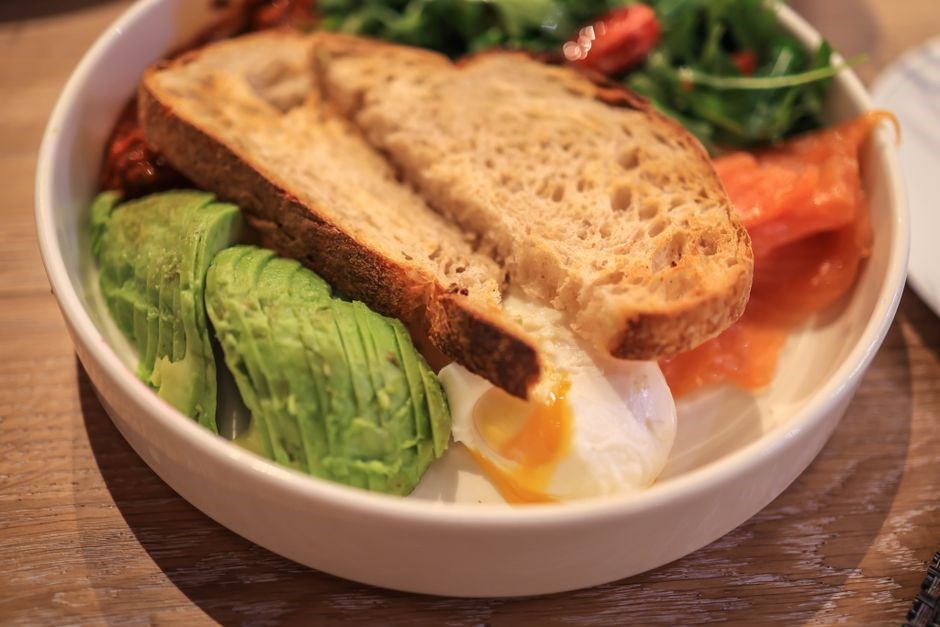
When cooking low‑fat meals, replace high‑fat items with lighter alternatives that keep flavor and texture. Swap butter or lard with extra‑virgin olive oil or avocado oil for sautéing, and use non‑fat or low‑fat milk, Greek yogurt, or silken tofu in sauces and desserts. Choose lean proteins—skinless poultry, fish, or plant‑based proteins—over fatty cuts. For baking, replace butter or whole‑fat cream with applesauce, mashed banana, or a small amount of Greek yogurt to reduce calories while maintaining moisture. Use low‑fat cheese or a sprinkle of nutritional yeast to add umami without excess fat. In dressings, mix mustard, vinegar, lemon juice, and a splash of olive oil instead of creamy dressings. When making dips, blend avocado with lime and herbs or use hummus made from chickpeas and tahini. For snacks, opt for air‑popped popcorn, fresh fruit, or raw vegetables with a low‑fat yogurt dip. By consistently selecting these substitutions, you can enjoy familiar dishes while keeping fat content low and supporting weight‑loss or heart‑healthy goals. Remember to season foods with herbs, spices, and citrus zest rather than relying on high‑fat sauces. Incorporating fermented foods like kimchi or sauerkraut can add flavor and probiotics without extra fat. When preparing pasta, use whole‑grain varieties and toss with a light olive oil and garlic mixture instead of creamy alfredo. For beverages, choose sparkling water with a splash of fresh juice or herbal tea over sugary drinks. By making these deliberate ingredient swaps, you can create satisfying meals that align with a low‑fat eating plan while still enjoying variety and taste. Enjoy today!
Incorporating Low‑Fat Comfort Foods
Comfort foods can feel indulgent, but the Low‑Fat Food List PDF shows how to keep them light. Start with pizza: use a thin whole‑grain crust, top with tomato sauce, lean turkey or grilled veggies, and a sprinkle of low‑fat mozzarella. For mac and cheese, replace whole‑milk cheddar with a blend of low‑fat cheddar and a splash of skim milk, thickening with a small amount of flour. Soups and stews benefit from extra vegetables and lean meats; add a touch of olive oil for flavor without the bulk. Baked potatoes can be topped with Greek yogurt and chives, and a dash of paprika instead of sour cream. Desserts like ice cream can be swapped for frozen yogurt or a small scoop of low‑fat vanilla gelato. Even classic pancakes become lighter by using oat milk and baking powder, then topping with fresh fruit and a drizzle of honey. The key is to keep the core of the dish—flavor, texture, and satisfaction—while reducing fat through smart ingredient choices. By following the PDF’s Eat, Limit, and Avoid categories, you can enjoy familiar comfort foods without compromising your low‑fat goals. These substitutions not only cut calories but also preserve the sensory experience, making it easier to maintain a low‑fat diet without feeling deprived. By incorporating these low‑fat comfort foods, you can satisfy cravings for pizza, pasta, and desserts while keeping total fat intake below recommended limits, thereby supporting heart health and weight management goals. Stay mindful of portions, hydrate!!!